
Do Hopi Ear Candles Work? What You Need to Know About Hopi Ear Candles Wigan
 In recent years, the popularity of alternative therapies has surged, with many people seeking natural remedies for common ailments. One such remedy that has gained attention is the use of Hopi ear candles. These candles are believed to offer a host of benefits, including earwax removal and improved hearing.
However, understanding their effectiveness requires examining both anecdotal and scientific perspectives.
Hopi ear candles, also known as ear candling, have been used for centuries as a traditional remedy for a variety of conditions. The practice involves placing a hollow candle in the ear and lighting the other end.
Proponents of this method claim that it can help with earwax removal, improve hearing, and alleviate sinus problems. To elaborate, many users report a sensation of warmth and relaxation during the application, which can enhance the overall experience.
However, it’s essential to delve deeper into the efficacy and safety of this practice to understand its true benefits and risks.
Many individuals seek out Hopi ear candles Wigan as a natural alternative to conventional ear-cleaning methods. The ritualistic aspect of the procedure can be soothing, often associated with relaxation and holistic wellness. The warm, gentle heat produced by the candle is believed to help soften earwax, allowing it to be drawn out of the ear canal.
Yet, scientific evidence supporting these claims is limited, leading to ongoing debate among healthcare professionals and users alike.
In Wigan, a growing number of practitioners offer Hopi ear candles Wigan as part of their wellness services. Customers often report feeling relaxed after the treatment, which can be appealing for those looking for alternative therapies.
It’s worth noting that many practitioners combine Hopi ear candling with other therapies like aromatherapy or massages to enhance relaxation and wellness.
Despite this, it is crucial to consult with a qualified healthcare professional before deciding to undergo the procedure, particularly for individuals with existing ear conditions or those who are prone to ear infections.
Overall, understanding the methodology and potential implications of Hopi ear candles Wigan is vital in making an informed decision about whether this treatment is suitable for you.
Are Hopi Ear Candles Safe?
Safety is paramount when considering any health treatment. As we explore the safety of Hopi ear candles, it’s essential to weigh both anecdotal evidence and scientific research.
Many users swear by the treatment, claiming it has provided relief from conditions such as tinnitus, ear congestion, and even sinus pressure. Users often describe a feeling of lightness and clarity following the treatment.
However, healthcare professionals often caution against the potential hazards associated with ear candling. For instance, there have been reported incidents of burns, ear canal obstructions, and even perforations of the eardrum resulting from improper use of ear candles.
This underlines the importance of seeking treatment from qualified professionals who adhere to safety protocols.
Exploring the Benefits of Hopi Ear Candles Wigan
Additionally, it is important to discuss the potential side effects that can occur post-treatment. Users may experience temporary dizziness or a feeling of fullness in the ear, which usually subsides shortly after the procedure.
To mitigate risks, ensure that the practitioner uses high-quality, natural materials for the candles and follows recommended safety guidelines.
For those considering the treatment, it’s important to research local options for Hopi ear candles to find qualified practitioners who prioritise safety and efficacy.
When considering Hopi ear candles, also keep in mind the importance of individual differences. What works for one person may not work for another.
Factors such as age, sensitivity, and existing ear conditions can all play a significant role in how effective or safe this treatment is for a person.
Thus, personal research and tailored consultations are essential for making an informed choice.
When discussing the safety of Hopi ear candles, it’s important to consider both anecdotal evidence and scientific research. Some users swear by the treatment, claiming it has provided relief from conditions such as tinnitus and ear congestion.
However, healthcare professionals often caution against the potential hazards associated with ear candling.
For instance, there have been reported incidents of burns, ear canal obstructions, and even perforations of the eardrum resulting from improper use of ear candles.
It’s also worth mentioning that several countries have banned or discouraged the practice of ear candling due to safety concerns. This highlights the need for consumers to be cautious and well-informed.
Always inquire about a practitioner’s qualifications and experience before undergoing the procedure. Educating oneself about the process can also help in setting realistic expectations about the outcomes associated with Hopi ear candles.
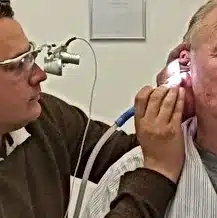
If ear wax builds up and becomes bothersome, the safest and most effective approach recommended in the UK is to first try softening the wax using olive oil drops or a wax-softening spray, and letting the ear’s natural self-cleaning process gradually work. If, after a period of home treatment, wax remains stubborn and still blocks the ear (causing hearing loss, discomfort, tinnitus or a feeling of fullness), the safest medical procedures are either gentle water irrigation (when suitable) or microsuction — a procedure where a trained professional uses a small suction device under magnification to carefully remove wax without inserting objects deep into the ear or using heat.
These methods are far safer and better supported by evidence than risky, unproven methods such as ear-candling (sometimes sold as “Hopi candles”), which have no proven benefit and can cause burns, blockages or even eardrum damage. See the advice from the NHS here.
To read more about ear wax and safe methods of removal, you can read more here.