
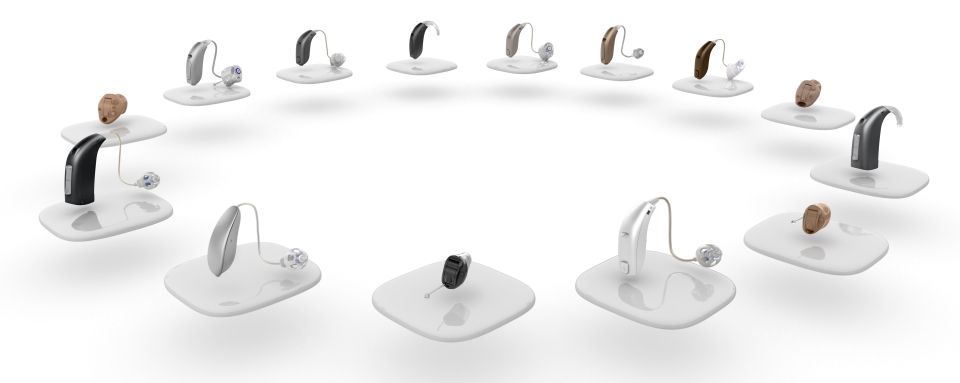
A hearing aid that suddenly sounds weak or stops producing sound does not always need an electronic repair. Wax, moisture or a blocked earpiece can be the cause. A few careful checks can help, but parts differ between hearing-aid brands and styles.
Daily care: a simple routine
- Wipe the hearing aid and accessible earpiece with an appropriate soft, dry cloth.
- Inspect the dome or earmould for visible wax or damage.
- Keep microphone openings free from debris without pushing tools into them.
- Charge rechargeable instruments as directed, or check the battery in disposable-battery models.
- Store the instruments as recommended by the manufacturer.
What is a hearing aid dome?
A dome is the soft tip fitted to some receiver-in-canal or thin-tube aids. It helps position the output in the ear. Domes come in different sizes and acoustic designs, so fitting an arbitrary replacement can affect comfort, sound and feedback. Replace it according to the clinician’s instructions; never continue using a loose or damaged dome.
What is a wax filter or wax guard?
A wax guard is a small replaceable barrier designed to stop wax and debris reaching the receiver outlet. When blocked, the aid may seem much quieter. Wax-guard types are not universal. Ask which exact guard fits your instrument and follow that manufacturer’s replacement procedure.
What does the receiver do?
The receiver converts the hearing aid’s electronic output into sound. In a receiver-in-canal model it sits in or near the ear canal and is particularly exposed to wax and moisture. If routine cleaning and the correct filter replacement do not help, a clinician can test the receiver and connection. A replacement receiver may be chargeable depending on the warranty and the cause of failure.
Five checks if there is no sound
- Make sure the aid is switched on and charged, or has a working battery.
- Check that the earpiece and wax guard are not blocked.
- Look for an obvious crack, damaged wire or trapped moisture.
- Check that the correct programme or volume setting is selected.
- Arrange a professional check if the problem remains. Do not open the instrument casing or attempt electrical repairs.
What’s included in aftercare?
Appointments, manufacturer’s warranty cover and consumable charges vary by provider and purchase agreement. For Wigan Hearing customers, keep your device information and aftercare documentation so we can identify the correct parts. Normal consumables and wax-related receiver faults may not be covered by a manufacturer’s warranty.
Where to find help
For advice about fitting, sound quality or replacement parts, contact Wigan Hearing. Read more about hearing aids information and real-ear measurements at fitting.
NHS: Cleaning your hearing aid.
Information reviewed October 2026. This guide is general information, not an individual diagnosis.